
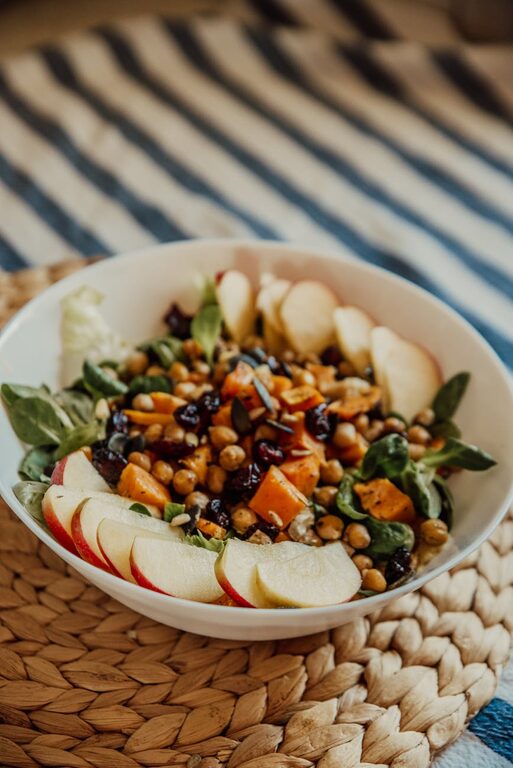
Planning balanced meals doesn’t have to be overwhelming or time-consuming. With a few simple strategies, you can create nutritious meals that satisfy your taste buds and keep your energy levels steady throughout the day. Whether you’re cooking for yourself, your family, or roommates, these tips will help you enjoy mealtime without the usual stress.
Why Balanced Meals Matter
A balanced meal contains a variety of nutrients your body needs to function well. Typically, this includes:
– Protein — for muscle repair and growth
– Carbohydrates — your main energy source
– Healthy fats — important for brain health and hormone production
– Vitamins and minerals — support overall health and immunity
– Fiber — aids digestion and keeps you feeling full
Eating balanced meals regularly supports better mood, digestion, and weight management.
Step 1: Understand Your Plate
One easy way to visualize a balanced meal is by dividing your plate into sections:
– Half your plate with vegetables and fruits
– One quarter with lean protein
– One quarter with whole grains or starchy vegetables
– Add a small portion of healthy fats
This simple framework helps you include various food groups without complicated counting or measuring.
Step 2: Start With a Weekly Meal Plan
Taking a few minutes each week to plan your meals makes grocery shopping easier and reduces last-minute stress.
– Choose 3-4 dinner recipes to prepare during the week
– Think about breakfasts and lunches that can be quickly assembled or prepped in advance
– Incorporate versatile ingredients that work for multiple meals, like chicken, beans, or mixed greens
A weekly plan doesn’t have to be rigid. Leave room for flexibility, dining out, or leftovers.
Step 3: Use Simple Grocery Lists
When you know what you’ll cook, make a list organized by food category: produce, proteins, grains, dairy, and pantry items. This approach saves time at the store and helps you avoid buying unnecessary items.
Step 4: Keep Your Pantry and Fridge Stocked
Having staple ingredients on hand reduces the temptation to grab less healthy options. Consider these basics:
– Canned beans and tomatoes
– Whole grains like brown rice or quinoa
– Frozen vegetables and fruits
– Nut butters and healthy cooking oils
– Spices and herbs for flavor
Stocking your kitchen helps you put together balanced meals quickly without extra trips to the store.
Step 5: Practice Simple Cooking Techniques
Meals don’t need to be elaborate to be nutritious. Focus on easy methods like:
– Roasting vegetables with olive oil and spices
– Stir-frying lean protein with colorful veggies
– Making one-pot dishes such as soups or stews
– Assembling salads or grain bowls with varied toppings
Simple cooking saves time and often leads to less cleanup.
Step 6: Batch Cook and Prep Ahead
If your schedule is busy, spending a couple of hours on meal prep can be a game changer.
– Chop vegetables and store them in containers
– Cook grains and proteins in bulk to use throughout the week
– Portion snacks and ingredients for quick grab-and-go meals
Batch cooking helps you stick to your plan and reduces mealtime decision fatigue.
Step 7: Listen to Your Body
Planning meals isn’t just about nutrition—it’s also about enjoyment and satisfaction.
– Eat when you’re hungry, stop when you’re full
– Choose foods that you genuinely like
– Experiment with new recipes and seasonal produce
– Don’t stress if a meal isn’t perfect — progress over perfection is the goal
Mindful eating helps you develop a positive relationship with food.
Example Balanced Meal Ideas
Here are a few easy-to-make balanced meals to inspire your planning:
– Grilled chicken, quinoa, and steamed broccoli with a drizzle of lemon and olive oil
– Lentil stew with carrots, spinach, and whole grain bread
– Salmon fillet, roasted sweet potatoes, and a mixed greens salad
– Veggie stir-fry with tofu and brown rice
– Turkey and avocado wrap with side carrot sticks and hummus
Each includes protein, carbohydrates, healthy fats, and plenty of vegetables.
Final Thoughts
Planning balanced meals without stress is all about preparation, simplicity, and flexibility. Start small with easy recipes and move at your own pace. Over time, you’ll develop routines that suit your tastes and lifestyle, making healthy eating feel effortless and enjoyable.
Remember, healthy meals nourish your body and your life. Happy cooking!